

Introduction
Digital gaming entertainment has experienced tremendous global growth over the last decade. What was once considered a niche hobby has evolved into one of the largest sectors within the entertainment industry. Advances in internet technology, mobile accessibility, and interactive digital platforms have transformed gaming into a mainstream activity enjoyed by millions of users worldwide.
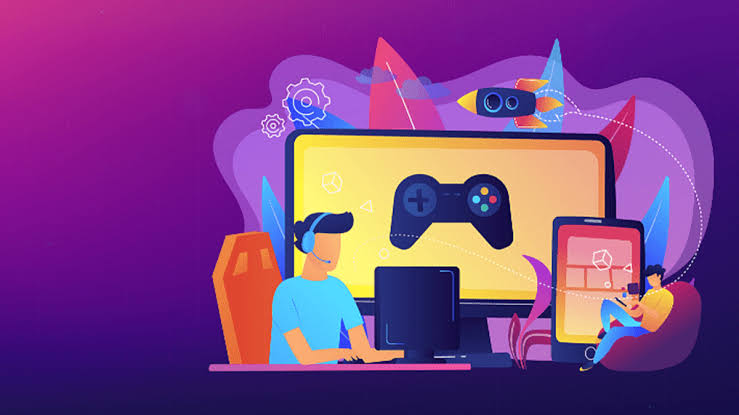
Modern gaming entertainment now includes online multiplayer games, mobile gaming applications, esports competitions, live streaming platforms, and virtual casino experiences. These developments have expanded gaming audiences across different age groups, cultures, and geographic regions.
As technology continues advancing, digital gaming entertainment is becoming increasingly accessible, interactive, and globally connected.

Expansion of Internet Connectivity
One of the major reasons behind the growth of digital gaming is the widespread availability of internet access. Faster broadband services and mobile data networks have allowed users to connect with gaming platforms from nearly anywhere in the world.
Reliable internet connectivity supports real-time multiplayer experiences, live streaming services, and cloud-based gaming environments. Improved digital infrastructure has made gaming more accessible to audiences in both urban and developing regions.
Global connectivity continues to drive the expansion of online entertainment industries.
Growth of Mobile Gaming
Mobile gaming has played a significant role in expanding digital entertainment audiences. Smartphones and tablets allow users to access games conveniently without requiring expensive gaming hardware.
Mobile applications provide easy access to puzzle games, sports games, strategy games, virtual casino platforms, and multiplayer experiences. The flexibility of mobile gaming has attracted casual users who may not traditionally participate in gaming activities.
As smartphone technology improves, mobile gaming continues influencing global entertainment habits.
Rise of Multiplayer Experiences
Multiplayer gaming systems have transformed digital entertainment into highly social experiences. Online platforms now allow users from different countries to interact, compete, and cooperate within shared digital environments.
Voice communication tools, messaging systems, and online communities help strengthen user interaction during gameplay. Multiplayer systems encourage long-term engagement while creating strong online gaming communities.
Social connectivity has become an essential part of modern gaming entertainment.
Influence of Live Streaming Platforms
Live streaming technology has significantly influenced the popularity of digital gaming entertainment. Streaming platforms allow gamers to broadcast gameplay while interacting with audiences in real time.
Viewers can watch tournaments, gameplay tutorials, esports competitions, and entertainment streams through websites and mobile applications. Live interaction between content creators and audiences has helped gaming become a larger part of mainstream digital culture.
Streaming continues expanding the visibility of gaming entertainment worldwide.
Esports and Competitive Gaming
Esports has become one of the fastest-growing sectors within digital gaming entertainment. Professional tournaments now attract global audiences, sponsorship opportunities, and large-scale digital viewership.
Competitive gaming events involve organized teams, professional players, and international competitions across various gaming genres. Esports has also created new career opportunities within broadcasting, event management, and digital content creation.
The growth of esports continues strengthening the global gaming ecosystem.
Advancements in Graphics and Technology
Modern gaming technology has significantly improved visual quality and user immersion. Advanced graphics engines, realistic animations, and high-definition displays create more engaging entertainment experiences.
Technologies such as virtual reality and augmented reality are introducing new levels of interaction within gaming environments. Cloud gaming systems also allow users to access advanced gaming experiences without depending entirely on powerful hardware.
Innovation remains central to the evolution of digital gaming entertainment.
Personalized User Experiences
Artificial intelligence and data analytics increasingly support personalized gaming experiences. Gaming platforms analyze user preferences to recommend games, features, and entertainment content tailored to individual interests.
Customized interfaces, adaptive gameplay systems, and personalized notifications improve convenience and engagement. Personalization helps users navigate digital entertainment environments more efficiently.
AI-driven systems continue shaping the future of gaming interaction.
Security and Responsible Gaming
As digital gaming grows globally, platforms increasingly focus on cybersecurity and responsible gaming practices. Encryption systems, secure payment technologies, and user authentication tools help protect personal information and financial transactions.
Responsible gaming features such as spending controls, account monitoring, and educational resources encourage safer participation habits. Industry organizations continue promoting balanced and secure digital entertainment environments.
User protection remains essential for long-term industry growth.
Future of Global Digital Gaming
Future gaming trends may involve greater integration of artificial intelligence, virtual reality, and immersive cloud-based systems. Faster internet infrastructure and mobile advancements are expected to improve accessibility even further.
Interactive digital worlds, wearable technology, and cross-platform experiences may continue transforming entertainment habits globally. Gaming platforms are also likely to become increasingly connected with social media and digital communication systems.
Technology will remain a major influence on the future of global gaming entertainment.
Conclusion
Digital gaming entertainment has become a major part of modern global culture through advancements in internet technology, mobile accessibility, live streaming, and multiplayer interaction. Gaming audiences continue expanding across different regions and demographics as digital platforms become more interactive and accessible.
Esports, personalized systems, and immersive technologies are further shaping how users experience online entertainment. At the same time, security and responsible participation remain important priorities within the gaming industry.
As innovation continues advancing, digital gaming entertainment is expected to become even more immersive, socially connected, and globally influential.






Leave a Reply