

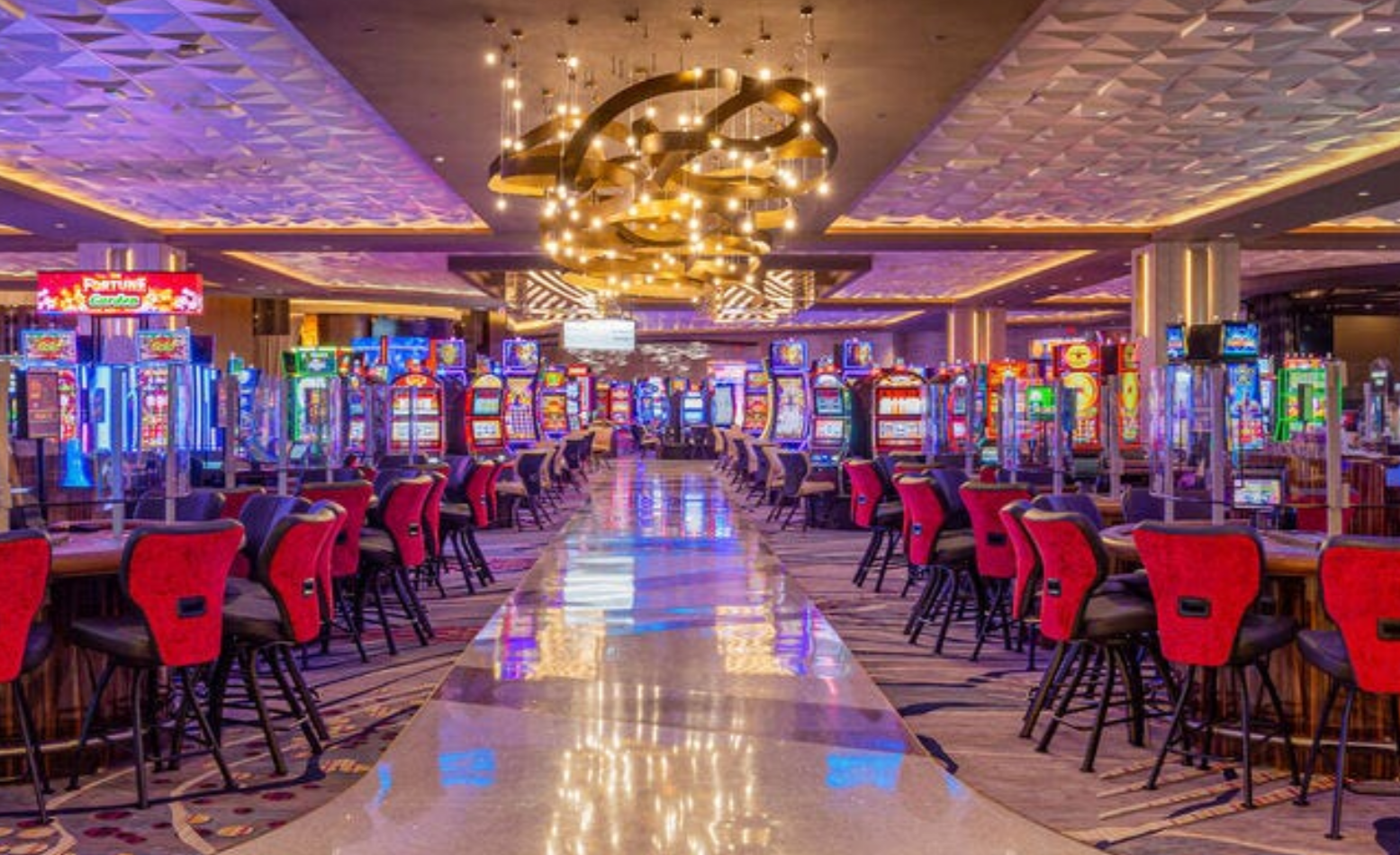
Some hotels feel calm the moment you enter, while others feel alive, almost like something is always happening even if you cannot immediately see it. Hotels that have casinos inside often create this second feeling, and many guests notice it within minutes of walking through the doors.
It is not just about luxury, size, or decoration, because many high end hotels look beautiful but still feel quiet and predictable. The difference comes from a deeper mix of movement, design, sound, and human emotion that changes the entire atmosphere of the building.
When a casino is part of a hotel, it does not stay limited to one room. Its presence spreads across the property and subtly influences how people move, how long they stay awake, and even how they feel during their visit. This article explains why that happens, using real data, examples, and psychological insights that go beyond what most basic articles cover.
Constant Activity Changes the Entire Energy of the Hotel
A Hotel That Never Truly Sleeps
In a regular hotel, activity follows a natural pattern. People check in during the day, rest in the evening, and by night the environment becomes quieter. In contrast, casino hotels break this pattern completely. Casinos operate almost 24 hours a day, and that constant activity changes the rhythm of the entire building.
Industry data shows that major casino resorts in places like Las Vegas and Macau operate gaming floors that remain active over 90 percent of the day, which is far higher than the activity levels of standard hospitality spaces. This creates an environment where there is always movement, always sound, and always interaction.
Visual Representation of Activity Levels
The chart above compares activity levels between regular hotels and casino hotels across a 24 hour period, showing how casino environments maintain consistent engagement even during late night hours.
How Movement Affects Perception
When people are surrounded by constant movement, their brain stays more alert. This is linked to the concept of Environmental Stimulation, where dynamic environments increase awareness and energy levels. Even guests who are not gambling can feel this difference simply by walking through the lobby or sitting in nearby lounges.
One traveler described the experience like this:
“I stayed in a casino hotel for the first time, and it felt like time didn’t slow down at night. It was exciting but also very different from a normal stay.”
This constant motion makes the hotel feel alive rather than still, and that feeling becomes one of the most memorable parts of the visit.
Design Choices Are Built to Keep People Engaged
Lighting, Layout, and Sound Work Together
Casino hotels are carefully designed to influence how people move and behave. Lighting is often softer and more controlled, with fewer visible clocks and windows. The layout tends to guide guests through different areas in a smooth, flowing way, often leading them past entertainment spaces, restaurants, and gaming zones.
Research in hospitality design shows that over 70 percent of large casino resorts use controlled lighting and sound patterns to maintain a consistent atmosphere that keeps guests engaged for longer periods.
Example of Design Impact
The images above illustrate how casino layouts differ from traditional hotels, focusing on flow, lighting, and spatial design.
Comparison Table: Regular Hotel vs Casino Hotel Design
| Feature | Regular Hotel | Casino Hotel |
|---|---|---|
| Lighting | Bright, natural where possible | Soft, controlled, artificial |
| Layout | Straightforward navigation | Curved, exploratory pathways |
| Noise Level | Low and predictable | Layered and dynamic |
| Time Awareness | Clear clocks and windows | Limited time cues |
| Guest Movement | Direct and purposeful | Slow, continuous, exploratory |
This table shows that casino hotels are designed not just for comfort but also for engagement. Every detail plays a role in shaping the experience.
Emotional Energy Makes the Space Feel Different
Shared Emotions Create a Unique Atmosphere
Casinos bring strong emotions into one space. Players feel excitement, anticipation, and sometimes tension, and these feelings do not stay isolated. They spread through the environment and influence others nearby.
This effect is known as Emotional Contagion, where people naturally pick up on the emotions around them. Even guests who are not participating can feel this energy.
A study in behavioral psychology found that environments with visible emotional reactions, such as cheering or disappointment, increase overall engagement levels by up to 30 percent compared to neutral environments.
Real Player Comment
“Even when I was just walking through, I could feel the excitement around me. It made the whole place feel alive, not just a hotel.”
This emotional layer adds depth to the experience. It is not just about what you see or hear, but also what you feel.
Revenue and Time Spent Reveal the Real Difference
Casino hotels are not just different in atmosphere. They are also different in how guests spend their time.
Key Industry Statistics
- Guests in casino hotels spend on average 30 to 50 percent more time in common areas compared to regular hotels
- Average stay duration in casino resorts is about 20 percent longer
- Gaming floors generate up to 60 percent of total resort revenue in major casino destinations
These numbers show that casino environments encourage longer engagement, which naturally changes how the entire hotel operates.
The Psychology of Being Inside a Casino Hotel
Reduced Awareness of Time
Casino environments often reduce visible signs of time, such as clocks and windows. This creates a sense of timelessness, where guests lose track of how long they have been active.
This is linked to the Time Perception Distortion, where engaging environments make time feel shorter than it actually is.
Continuous Flow of Experience
Another important factor is the seamless transition between activities. A guest can move from their room to a restaurant, then to a casino, then to entertainment, all without clear stopping points.
This creates what psychologists call a flow like experience, where the mind stays engaged without interruption. As a result, the hotel feels more immersive and less structured than a typical stay.
Real World Example: Integrated Casino Resorts
Large integrated resorts in Las Vegas and Singapore are designed to combine hotels, casinos, shopping, and entertainment into one continuous experience.
In these environments:
- Guests rarely need to leave the property
- Activities are available at all times
- Movement between spaces feels natural and continuous
This model has proven highly successful, with some resorts generating billions in annual revenue while maintaining high guest satisfaction.
Why Even Non Players Feel the Difference
One of the most interesting aspects is that even guests who do not gamble still feel the impact of the casino environment.
This happens because:
- The design affects everyone equally
- The emotional energy spreads through shared spaces
- The constant activity changes the overall rhythm
A guest might never step onto the gaming floor, yet still experience a more active, engaging atmosphere compared to a traditional hotel.
Final Thought: A Hotel That Feels Like a Living System
There is a simple truth behind all of this. A hotel is not just a building. It is a system shaped by movement, design, and human emotion. When a casino is added, that system becomes more dynamic, more layered, and more intense.
Casino hotels feel different because they combine:
- constant activity
- intentional design
- emotional energy
- psychological engagement
These elements work together to create an environment that feels alive.
When you understand these factors, the difference becomes clear. It is not just about the presence of a casino. It is about how that presence transforms the entire experience.
And that is why, even after leaving, many guests remember casino hotels not just as places to stay, but as places that felt full of energy, movement, and life.