

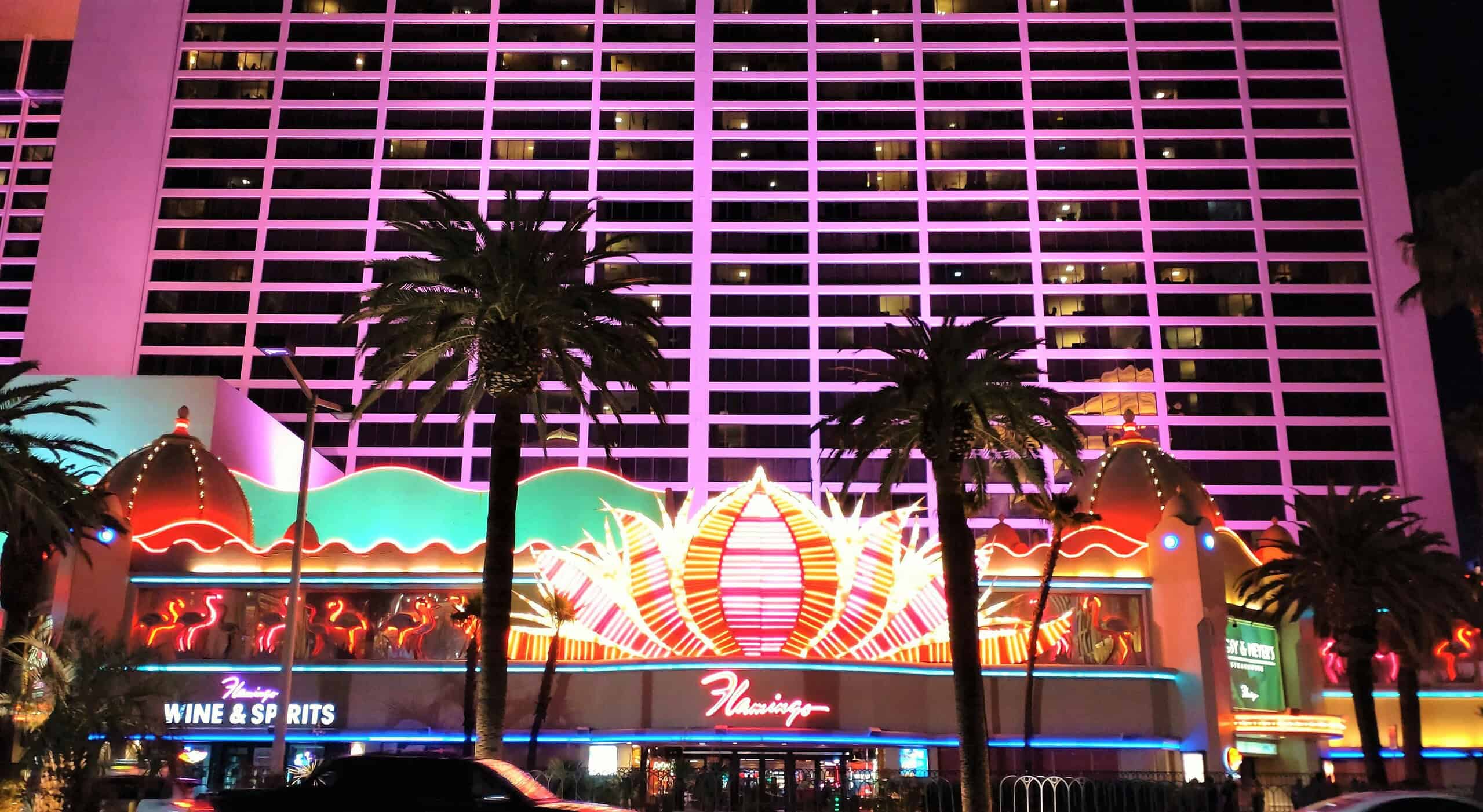
Travel is often remembered through small moments, the quiet walk back to your room, the late night conversations, the feeling of a place rather than just its sights, and where you choose to stay plays a bigger role in shaping these moments than most people realize.
When a traveler stays near a casino, even if they never step inside to play, the surrounding environment begins to influence their experience in subtle but powerful ways that go far beyond entertainment. It is not just about lights or crowds, but about energy, rhythm, and the way time, movement, and emotion begin to shift around you.
A location near a casino feels different from a quiet street or a standard hotel district because there is a constant flow of activity that continues through the day and night, and this continuous motion quietly changes how travelers explore, relax, and remember their journey. This article breaks down exactly how that happens, using real data, examples, and behavioral insights that most travel guides overlook.
The Surrounding Atmosphere Feels More Active and Alive
Continuous Energy Changes the Feel of the Area
When you stay near a casino, one of the first things you notice is that the area rarely feels still, because there is always movement, sound, and light that continues well beyond the usual hours of activity.
Streets remain brighter, restaurants stay open longer, and people continue walking, talking, and engaging with the environment at times when other neighborhoods would already feel quiet and calm. This creates a setting that feels alive, not just during the day, but almost constantly.
In major destinations like Las Vegas and Macau, tourism studies show that areas around casino districts maintain over 80 percent foot traffic activity even late at night, compared to less than 30 percent in standard hotel zones. This difference is not small, and it changes how a traveler experiences the space around them.
Visualizing Activity Differences
The chart above shows how activity levels near casino zones remain high throughout the day and night, unlike regular travel areas where activity drops significantly after evening hours.
How This Affects Your Experience
This constant movement is linked to Environmental Stimulation, where dynamic environments keep the brain more alert and engaged. Even if you are simply walking back to your hotel or sitting in a nearby café, you feel like something is always happening around you, which adds energy to your experience without requiring direct participation.
One traveler described it in a simple way:
“I didn’t even go inside the casino much, but just being around it made the whole trip feel more exciting, like the city never slowed down.”
This sense of liveliness becomes part of the memory, making the trip feel more dynamic than a typical stay.
Your Sense of Time and Routine Starts to Shift
Why Your Daily Schedule Changes Naturally
In most travel situations, your day follows a pattern. You explore during the day, slow down in the evening, and rest at night. But near a casino, this pattern becomes less clear because the environment does not follow the same rhythm. Activity continues late into the night, and there are fewer signals telling your mind that it is time to stop.
Research in travel behavior shows that guests staying near entertainment districts extend their active hours by an average of 1.5 to 3 hours per night compared to those staying in quieter zones. This shift happens gradually, often without the traveler realizing it.
Time Perception in Casino Areas
The visual above explains how time perception changes in environments where activity remains constant and external time cues are reduced.
This effect is connected to Time Perception Distortion, where engaging surroundings make time feel shorter and less structured.
Real Travel Example
Imagine you plan to take a short evening walk. In a quiet area, that walk might last 20 minutes before the calm surroundings encourage you to return. Near a casino, the same walk can easily turn into an hour because the environment keeps offering new sights, sounds, and movement.
This does not feel like losing time. It feels like extending the experience.
The Emotional Experience Becomes More Intense and Layered
Shared Emotions Change How You Feel
One of the most powerful differences is emotional. Casino environments bring together excitement, anticipation, curiosity, and sometimes tension, all in one place. These emotions are not hidden. They are visible in people’s reactions, expressions, and behavior, and they spread into the surrounding space.
This is explained by Emotional Contagion, where individuals naturally pick up on the feelings of others nearby. Even if you are not directly involved, you still sense the emotional energy.
A traveler shared this observation:
“You can feel the energy even outside the casino. People celebrating, reacting, talking. It makes the whole place feel alive in a different way.”
Emotional Layers in Travel
This visual shows how emotional intensity varies between quiet travel zones and casino surroundings.
Why This Matters
In quieter destinations, travel is often calm and reflective. Near a casino, it becomes layered. You are not only experiencing the place physically, but also emotionally. This adds depth to simple moments like walking through the street or sitting in a nearby restaurant.
Over time, these emotional layers make the trip more memorable because they create stronger impressions.
Spending Patterns and Behavior Also Change
Real Data on Traveler Behavior
Staying near a casino does not just affect feelings. It also changes behavior.
Here are some key statistics from tourism and hospitality studies:
- Travelers near casino zones spend 25 to 40 percent more time outside their rooms
- Evening activity duration increases by up to 35 percent
- Spending on dining and entertainment rises by around 20 percent
These numbers show that the environment encourages exploration and extended engagement.
Comparison Table: Standard Stay vs Casino Area Stay
| Behavior Aspect | Standard Hotel Area | Casino Area Stay |
|---|---|---|
| Evening Activity | Ends earlier | Continues late into night |
| Walking Duration | Short and planned | Longer and spontaneous |
| Time Awareness | Clear and structured | Flexible and fluid |
| Emotional Intensity | Calm and steady | Dynamic and varied |
| Overall Engagement | Moderate | High |
This table highlights how even simple travel habits change based on location.
The Travel Experience Feels More Spontaneous
Why Plans Become Flexible
Near a casino, the environment encourages spontaneity. You may start the evening with a simple plan, but the constant activity around you makes it easy to extend or change those plans.
This is related to Behavioral Activation, where active surroundings increase the likelihood of continued engagement.
Instead of thinking:
“I will go back to my room now”
You might think:
“I will just stay a little longer”
And that small decision changes your entire evening.
Real World Example
A traveler staying near a casino might:
- step out for dinner
- notice live entertainment nearby
- walk through a lively street
- end up exploring for hours
The same sequence rarely happens in quieter locations.
Final Thought: A Different Kind of Travel Memory
There is a simple truth behind all of this. Staying near a casino does not just add an activity to your trip. It changes the rhythm, the energy, and the emotional tone of your entire experience.
The difference comes from a combination of:
- constant movement
- extended activity hours
- emotional energy in shared spaces
- reduced sense of time boundaries
These elements work together to create a travel experience that feels more alive, more fluid, and often more memorable.
If you understand these effects, you can make a more conscious choice about where to stay based on the kind of experience you want. Some travelers prefer calm and structure, while others enjoy energy and spontaneity.
And in the end, it is not just about the destination. It is about how the place makes you feel while you are there.
That feeling is what stays with you long after the journey is over.