

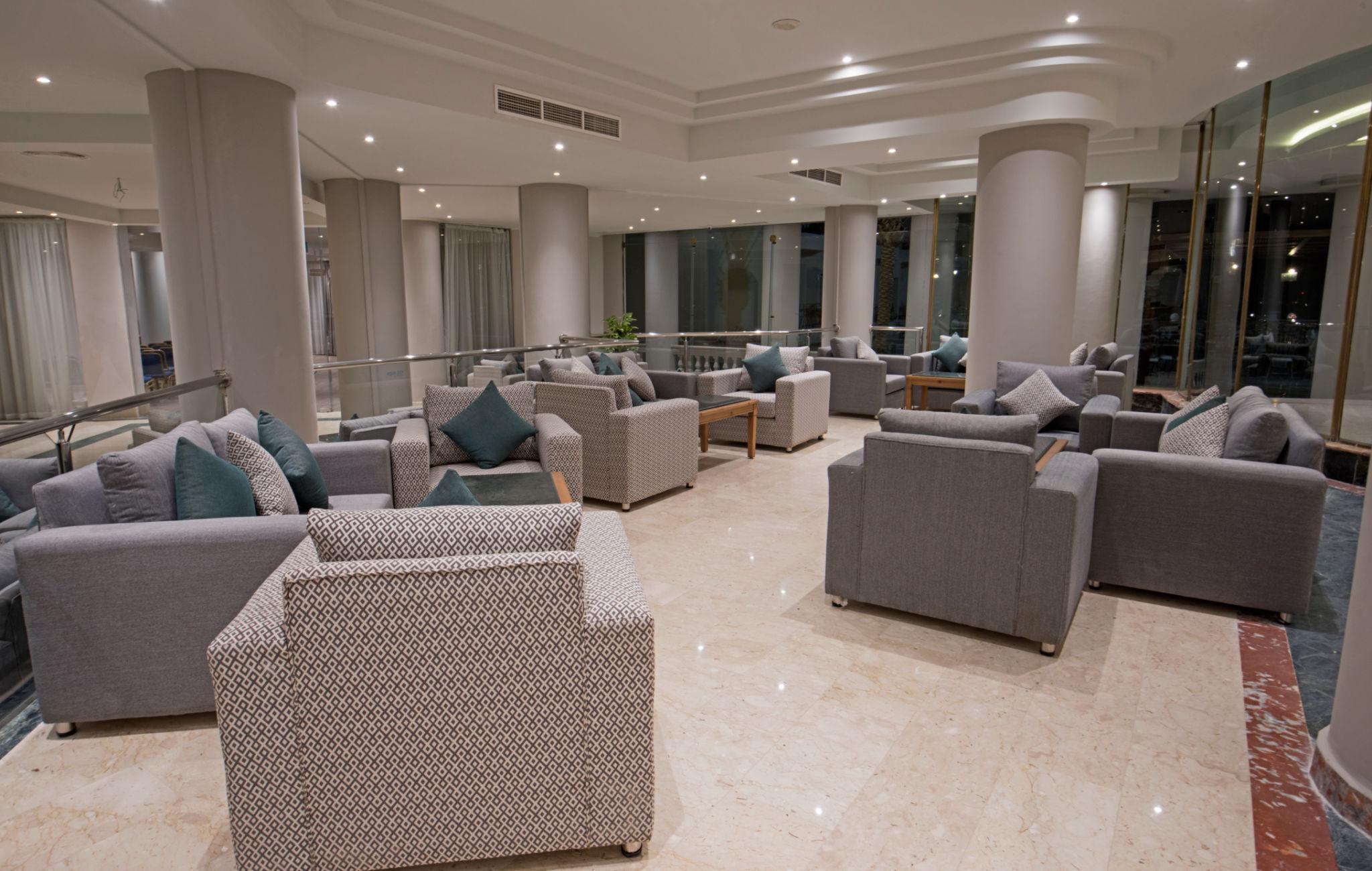
There is a certain feeling every traveler looks for when stepping into a hotel, and that feeling is comfort. No matter how impressive or exciting a place may appear at first, it only becomes truly memorable when it feels easy to stay in. In a casino hotel, this feeling carries even more importance, because the environment naturally includes a mix of movement, sound, and energy that can become overwhelming if not balanced with calm and thoughtful design.
When a person arrives at a casino hotel, they are not only searching for a place to sleep. They are looking for a space where they can relax, move without effort, and feel at ease while still enjoying the lively surroundings. This balance does not happen by accident. It is created through careful design, attentive service, and a deep understanding of how people experience space.
In fact, hospitality research shows that guest comfort is strongly linked to perceived control, clarity of environment, and emotional ease, rather than just luxury alone. This means that comfort comes from how a place feels to move through, not just how it looks.
A Balance Between Energy and Calm
One of the most important elements that shapes comfort in a casino hotel is the balance between lively and quiet spaces. Casino floors, entertainment areas, and public halls are often filled with light, sound, and movement. These spaces create excitement, but they can also feel intense if there is no contrast.
That is why well-designed casino hotels create clear transitions into calmer environments.
Guests can move from a busy gaming floor into a quiet lounge, a softly lit corridor, or a peaceful room. This shift allows the body and mind to reset. It gives visitors a sense of control over their experience.
Environmental psychology supports this idea. Studies show that people feel more relaxed in spaces where they can choose their level of stimulation, moving between active and restful environments as needed.
A guest once described this balance clearly:
“I enjoyed the energy downstairs, but I loved knowing I could step away anytime and find a quiet space. That made the whole place feel comfortable.”
This ability to move freely between energy and calm is one of the strongest foundations of comfort.
Clear Design That Feels Easy to Navigate
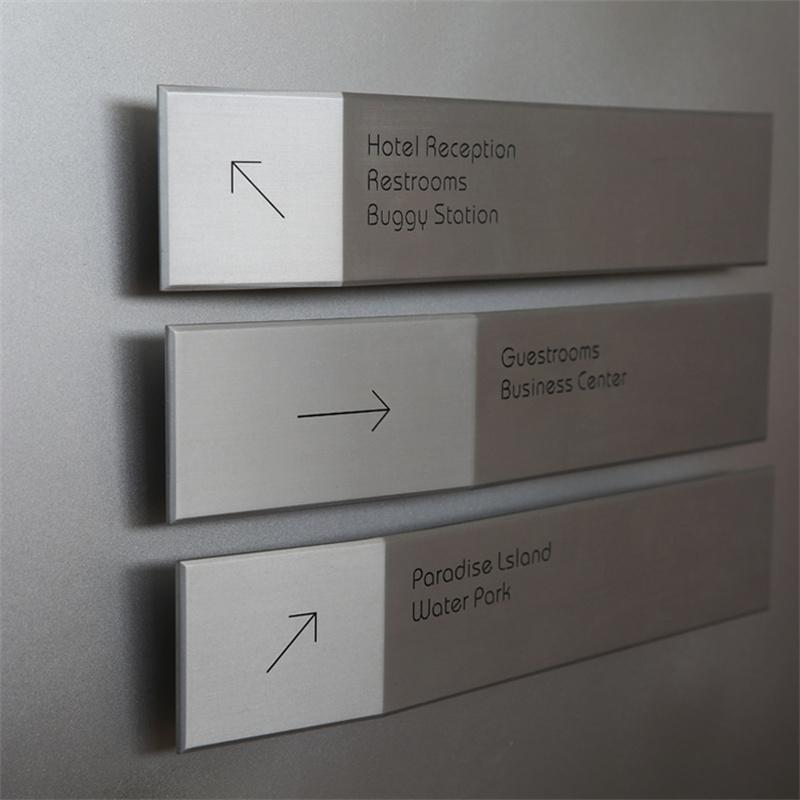
Another key factor in comfort is how easy it is to move through the hotel.
Large casino resorts can be complex, with many rooms, pathways, and attractions. If the layout is confusing, it can quickly create stress, even if everything else is well designed.
That is why effective wayfinding is essential.
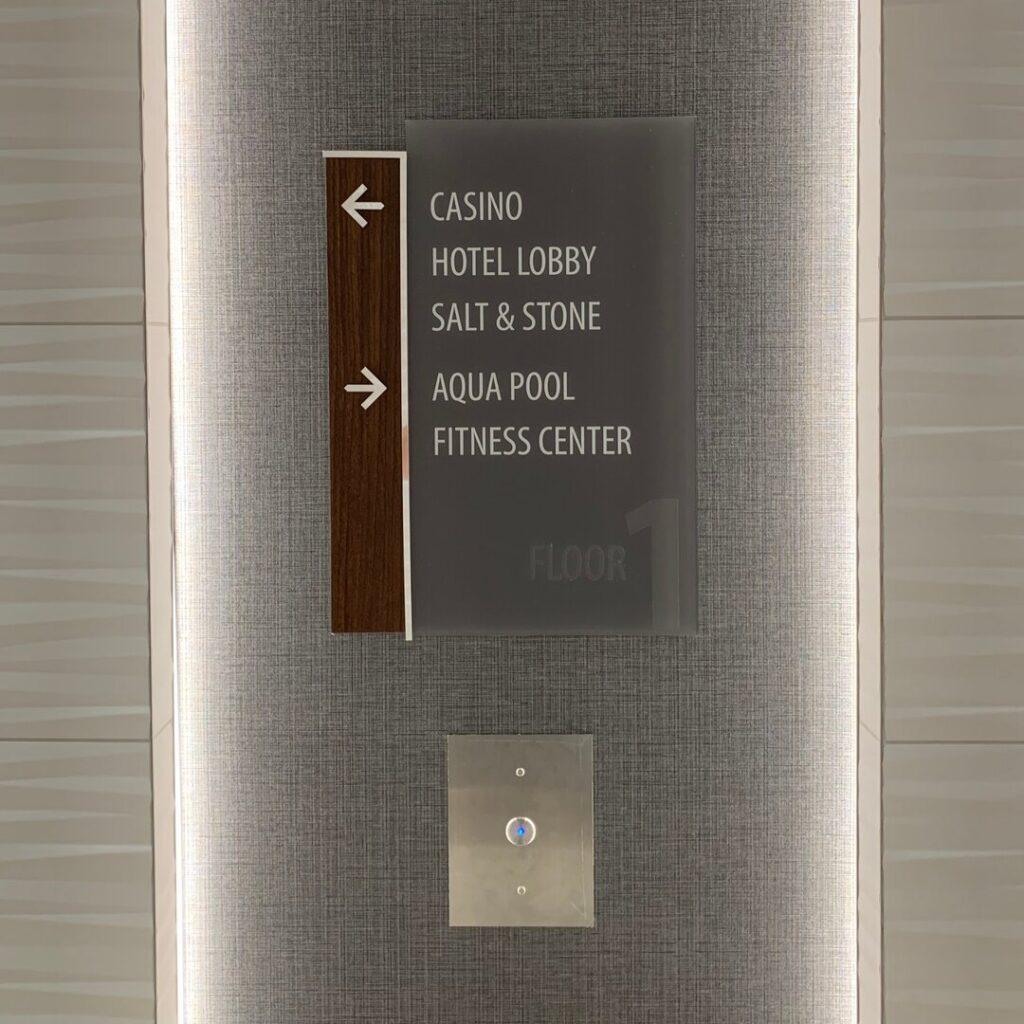
Clear signage, logical pathways, and visible landmarks help guests understand where they are and where they need to go. When people can navigate a space without effort, their minds remain relaxed.
Research in design psychology shows that unclear layouts increase cognitive load, making people feel tired and disoriented. In contrast, intuitive layouts create a sense of ease and confidence.
A traveler shared this experience:
“Some hotels make you feel lost. The good ones make you feel like you always know where you are.”
Over time, this clarity builds familiarity. The guest begins to feel at home in the space, and that familiarity strengthens comfort.
Thoughtful Service That Feels Personal
Comfort is not created by design alone. It is also shaped by human interaction.
In a casino hotel, where many things are happening at once, service plays a crucial role in keeping the experience calm and supportive. Staff members act as a steady presence, helping guests navigate the environment and feel cared for.
What matters most is not dramatic gestures, but consistency.
Small actions — a clear answer, a warm greeting, a quick solution — create a sense of trust. Guests feel that they are seen and supported, even in a large and busy environment.
Hospitality studies show that personalized service significantly increases guest satisfaction, even more than physical features in some cases.
One guest explained it simply:
“It wasn’t just the room. It was how easy everything felt because people were helpful and calm.”
This kind of service adds a human layer to comfort, turning a large space into something more personal.
Comfortable Rooms That Provide True Rest
While public areas shape the overall experience, the hotel room is where comfort becomes personal.
After spending time in active environments, guests need a space where they can fully relax. A well-designed room creates a clear contrast with the outside world.

Key elements that support comfort include:
- Soft, adjustable lighting
- Comfortable bedding and temperature control
- Sound insulation that reduces outside noise
- Clean, uncluttered design
These features help the body shift into a restful state.
Sleep research shows that lighting and noise levels have a direct impact on rest quality, and casino hotels often invest in blackout curtains and soundproofing to counter the constant activity outside.
A traveler described this contrast:
“It was busy everywhere else, but the moment I closed the door, it felt completely quiet. That made all the difference.”
The room becomes a private retreat — a place to reset before returning to the larger environment.
Sensory Design That Reduces Overload
Casino hotels are rich in sensory detail, but comfort depends on how those details are managed.
Lighting, sound, scent, and color all influence how a person feels in a space. When used carefully, they create atmosphere. When overused, they create fatigue.
Well-designed resorts control these elements thoughtfully:
- Bright, dynamic lighting in active areas
- Softer, warmer tones in resting spaces
- Background music that is present but not overwhelming
- Open spaces that reduce crowd pressure
This layered approach allows guests to experience variety without feeling overloaded.
Research shows that balanced sensory environments improve mood and reduce stress, especially in large public spaces.
Access to Relaxation and Wellness
Another important factor in comfort is access to relaxation.
Many casino resorts include spas, pools, wellness centers, and quiet outdoor areas. These spaces provide a counterbalance to the more active parts of the hotel.
Guests who use these facilities often report higher satisfaction because they can restore their energy during their stay.

A visitor shared:
“The spa and pool made the whole experience feel complete. It wasn’t just about activity — there was space to unwind.”
This balance between stimulation and recovery is essential for long-term comfort.
The Feeling of Choice and Control
At its core, comfort is closely tied to a sense of control.
Guests feel comfortable when they can decide:
- Where to go
- How long to stay
- When to rest
- When to engage
Casino hotels naturally support this because they offer a wide range of options within one space.
Behavioral research shows that having multiple choices increases perceived comfort and satisfaction, as long as the environment remains easy to navigate.
This freedom allows each visitor to shape their own experience.
Final Thought
There is a simple and honest truth behind all of this.
Comfort in a casino hotel does not come from a single feature. It comes from the way many small elements work together — balance, clarity, service, design, and personal space.
Each detail may seem minor on its own, but together they create a feeling that defines the entire experience.
A comfortable casino hotel is not just lively or luxurious. It is a place where a person can move easily, rest deeply, and choose their own pace without effort.
And in the end, that is what visitors remember most — not just what they saw, but how the place made them feel: calm within activity, supported within movement, and at ease within a world that never truly stands still.